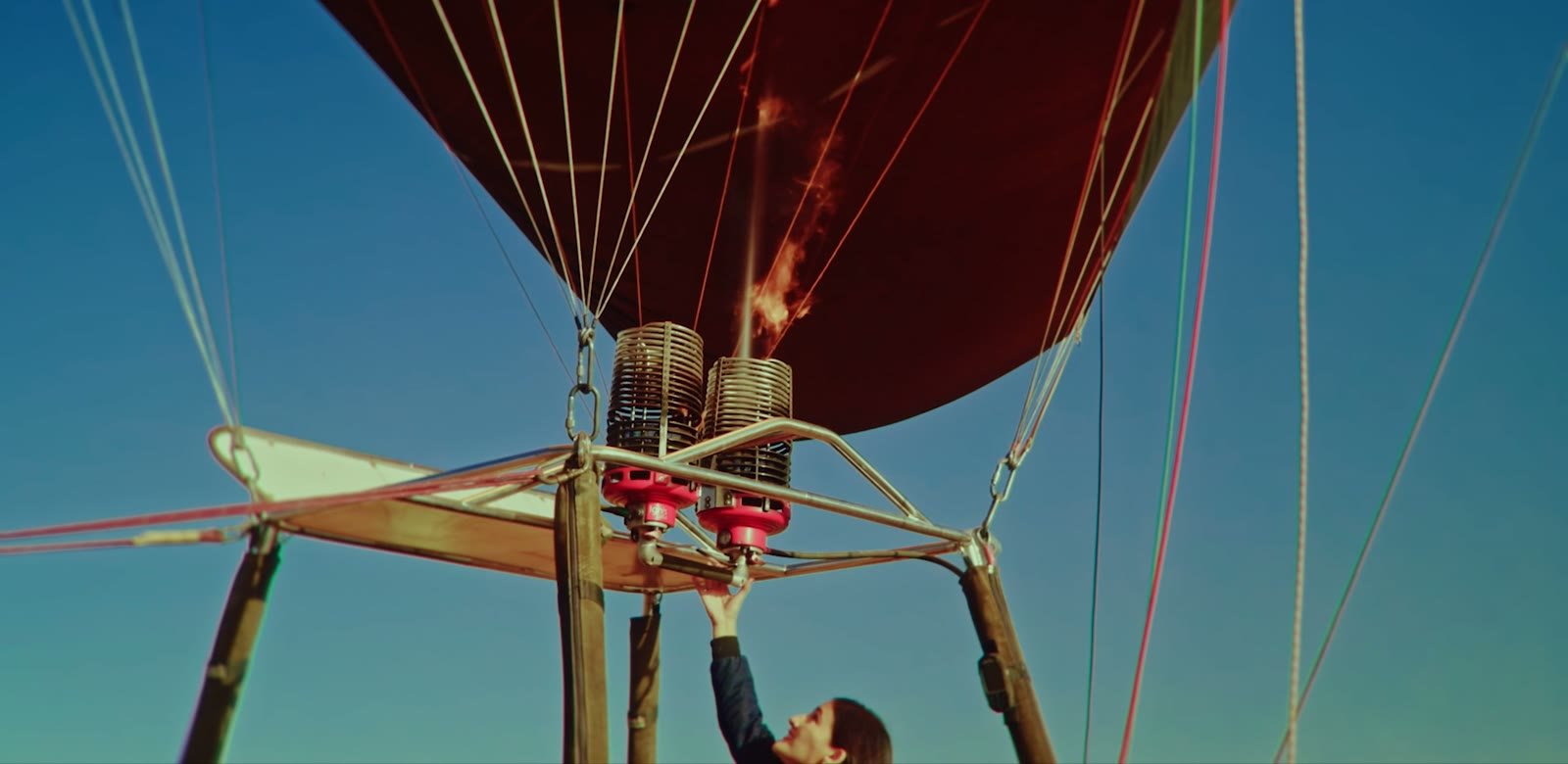
Hollywood found Morocco long ago: the studios of Ouarzazate, the dunes of the south and the medinas have stood in for half the world on screen. Today brands, tourism boards, hotels and agencies come for the same mix of landscapes, light and local know-how.
Essprod is a video production company in Marrakech. This guide covers what we walk every foreign team through before they book their flights.
Why shoot in Morocco
Variety within a day’s drive: from Marrakech you can reach the Atlas Mountains in an hour, the Agafay desert in forty minutes, the Atlantic coast at Essaouira in under three hours, and the great dunes and kasbahs of the south on a longer road trip.
Light: hundreds of sunny days a year, long golden hours and clean mountain air. Experience: a deep pool of crew, fixers, drivers and locations used to working with international productions.
Photo tipBuild the schedule around the sun, not the map. Two great golden hours a day are worth more than four locations in harsh light.
Locations near Marrakech
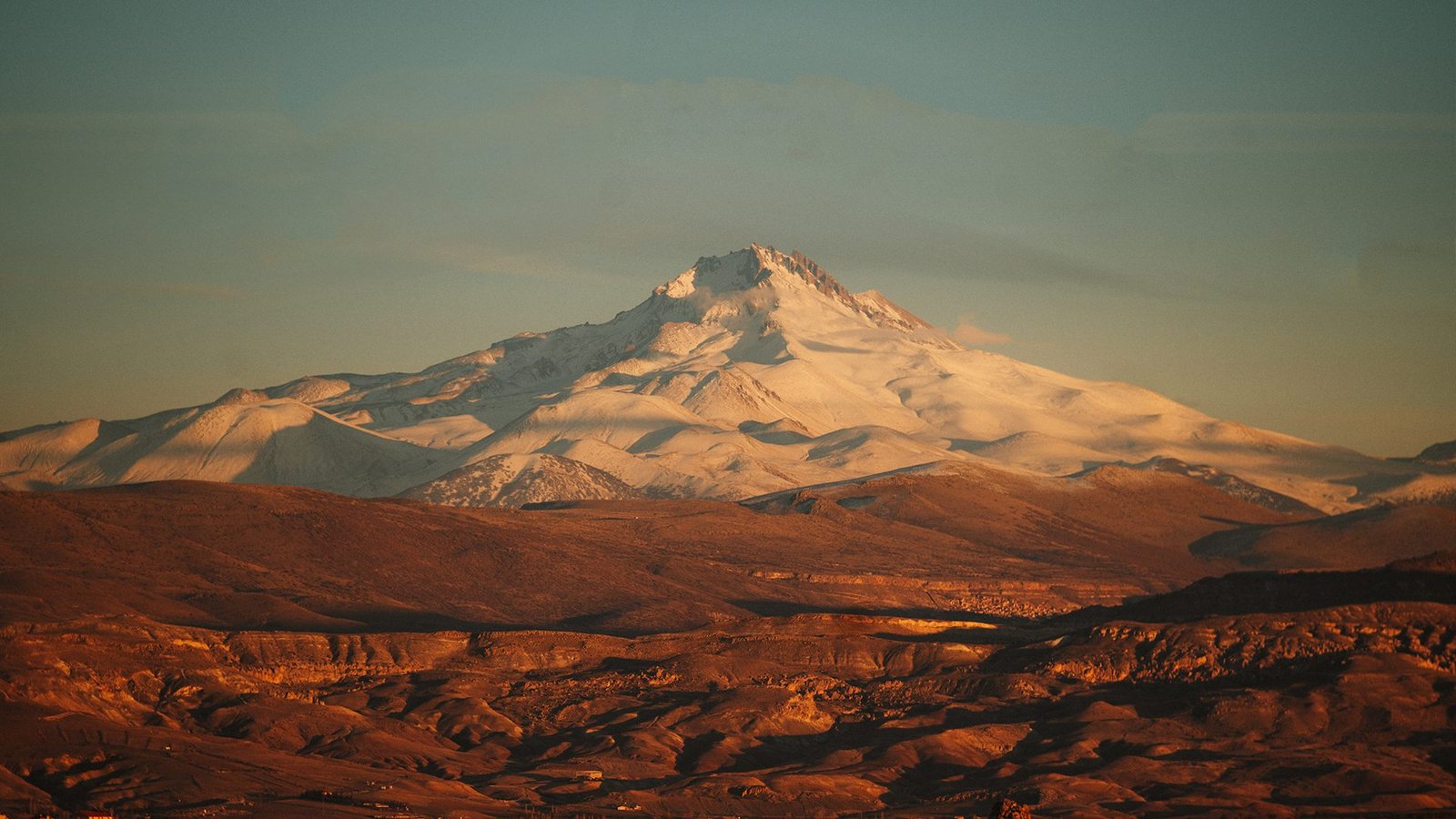
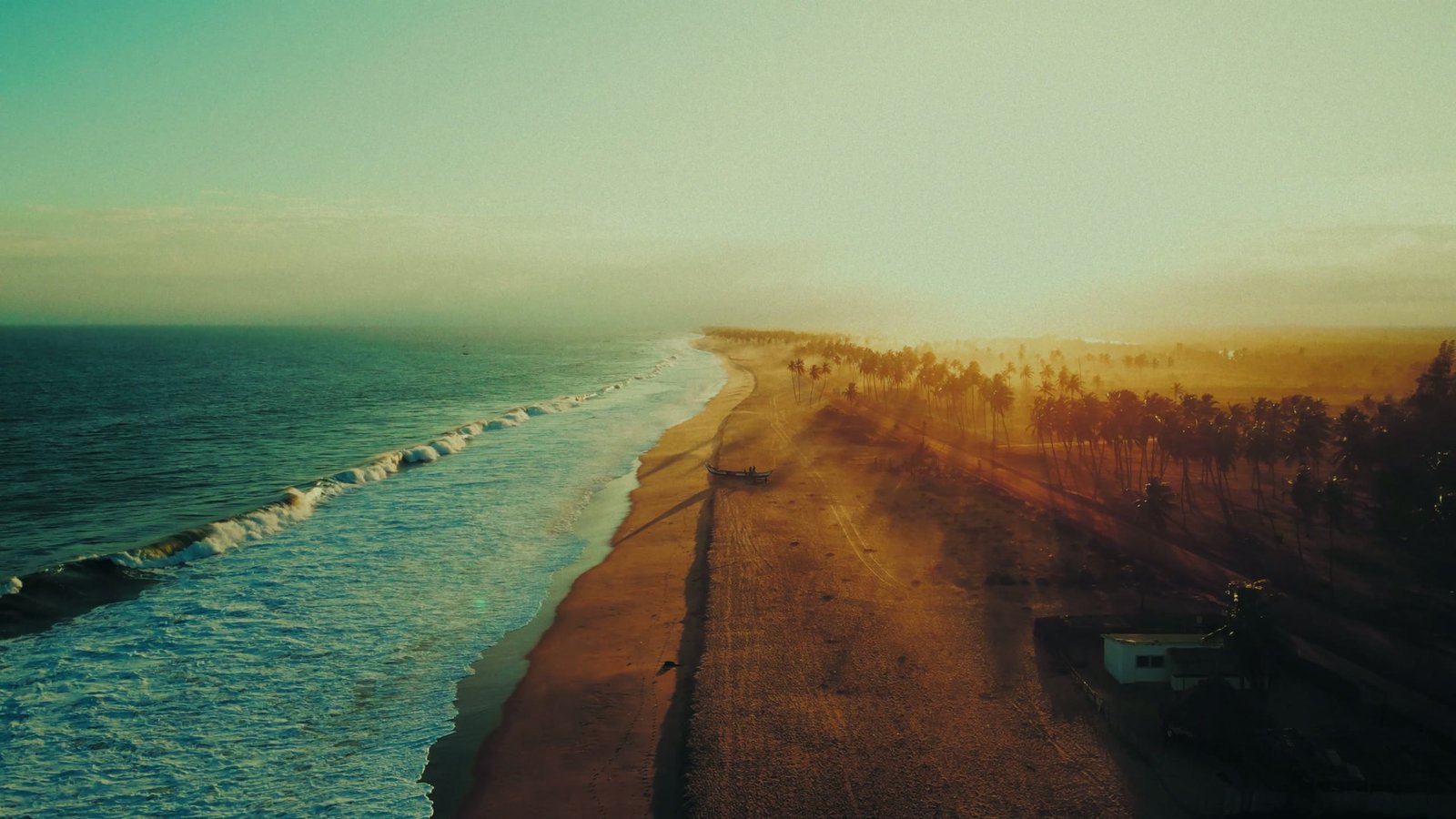
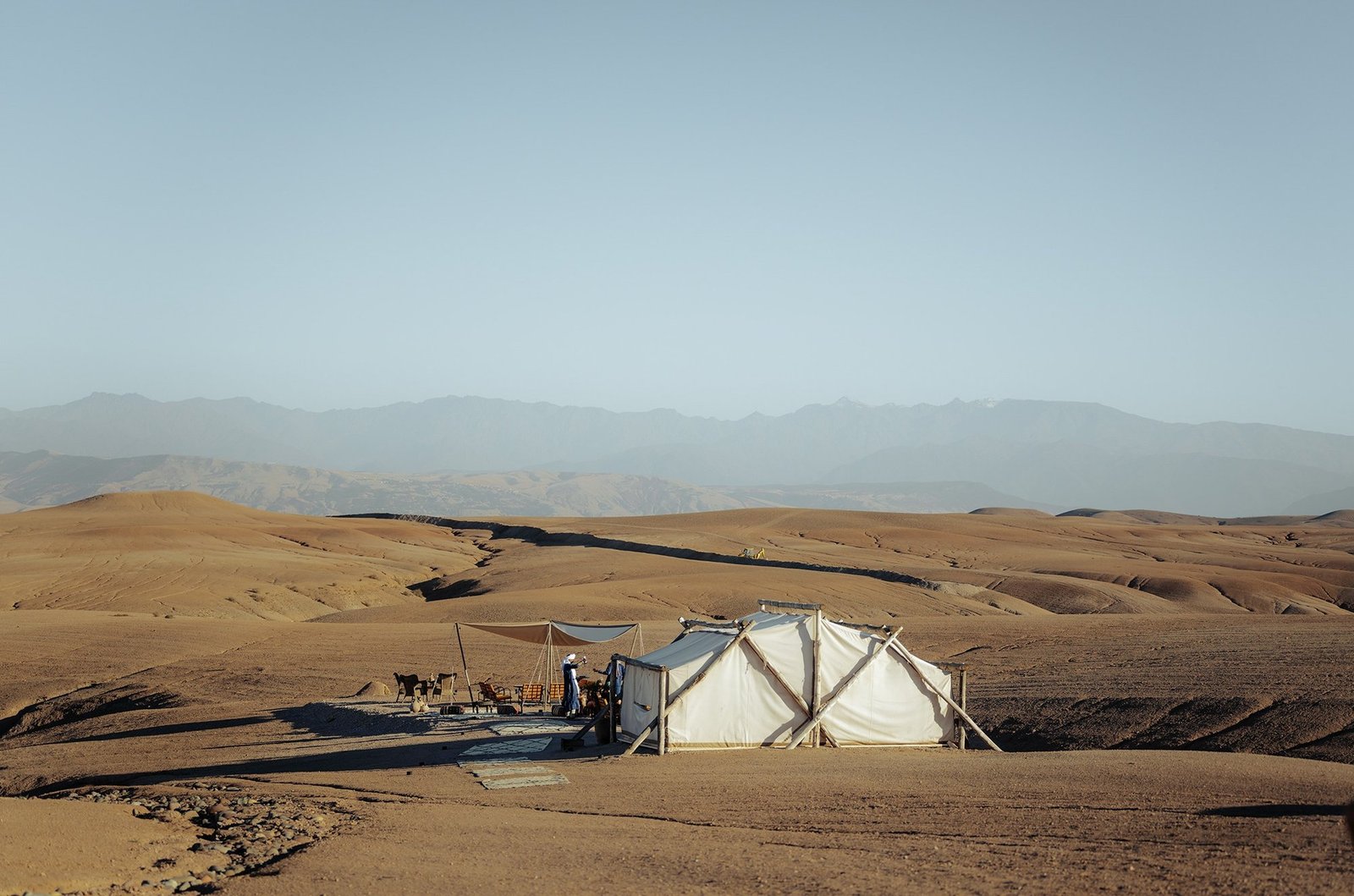
The Medina: souks, riads, palaces and rooftops. The Palmeraie: palm groves, villas and stables. Agafay: a stone desert with camps and Atlas views. The High Atlas: valleys, Berber villages, snow in winter. The coast: Essaouira’s ramparts, wind and waves. The south: Ouarzazate, kasbahs and, further on, the Sahara dunes.
Hotels, restaurants and private villas around Marrakech are also used to hosting crews, which makes lifestyle and hospitality shoots easy to organise.
Photo tipScout with a camera at the real shooting time. A location that looks perfect at noon can be in shadow at four o’clock.
Seasons and light
Spring and autumn are the easiest seasons: comfortable temperatures everywhere and green valleys in spring. Summer is very hot in Marrakech and the desert, so call times move to dawn and late afternoon, while the coast stays cool. Winter is sunny in the city with snow on the Atlas, ideal for contrast, but days are shorter and desert nights are cold.
Check the Ramadan dates for your year when you schedule: working hours, catering and the rhythm of the city change during the month.
Photo tipIn summer, plan a long lunch break and shoot interiors or the coast in the middle of the day.
Permits and drones
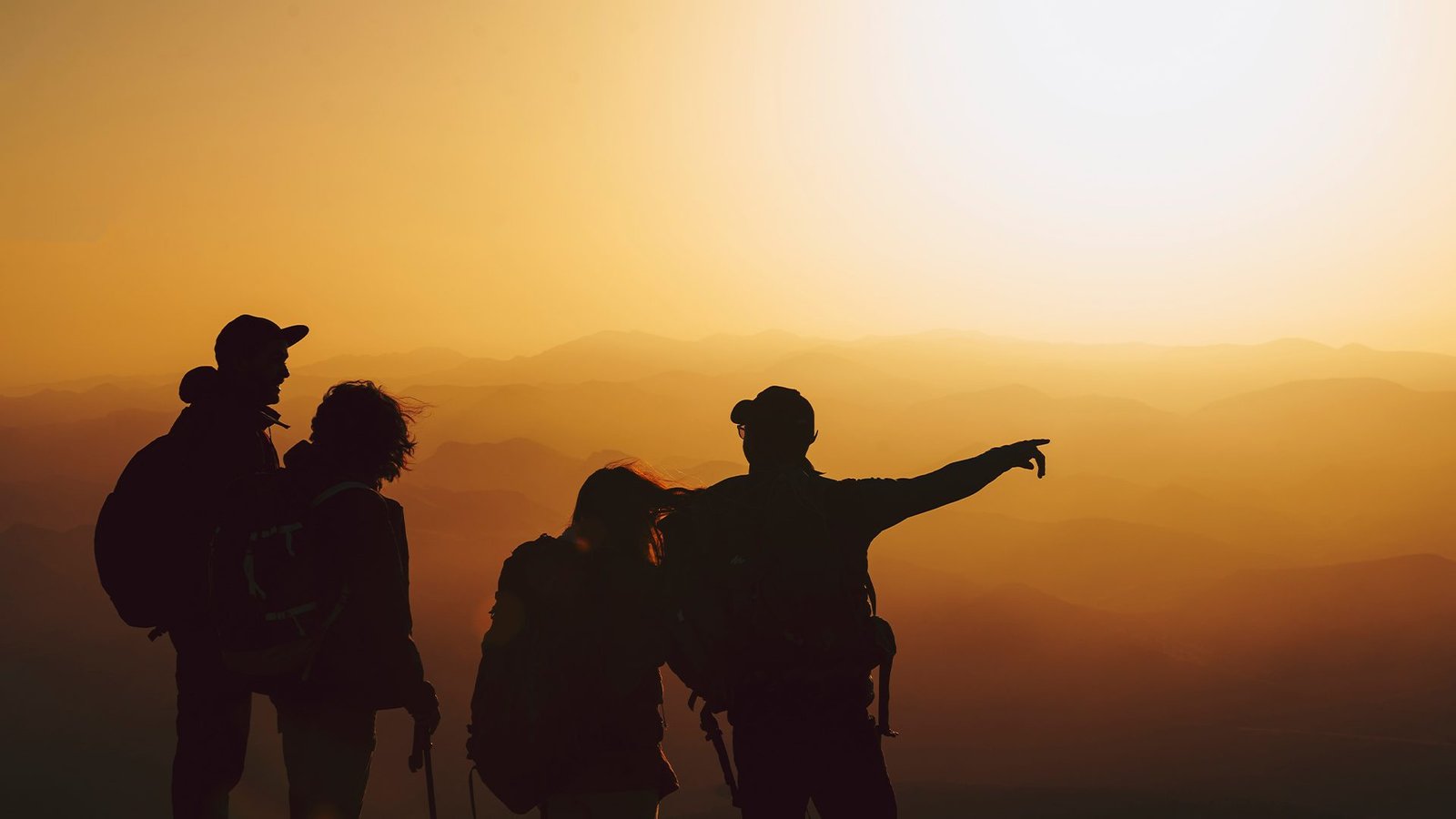
Professional filming in public places in Morocco generally needs authorisation, issued through the national film authority, the Centre Cinématographique Marocain (CCM). Private locations need the owner’s agreement, and monuments and museums have their own rules.
Drones are tightly controlled: flying one requires prior authorisation, and bringing a drone into the country without the right paperwork can mean having it held at customs. The simplest route is to work with a local team that flies with the proper authorisations and knows the no-fly zones. Rules change, so always confirm the current process for your dates.
Photo tipStart permit requests as early as possible, and list every location and date in the application. Last-minute changes are the main cause of delays.
Crew, gear and a local partner
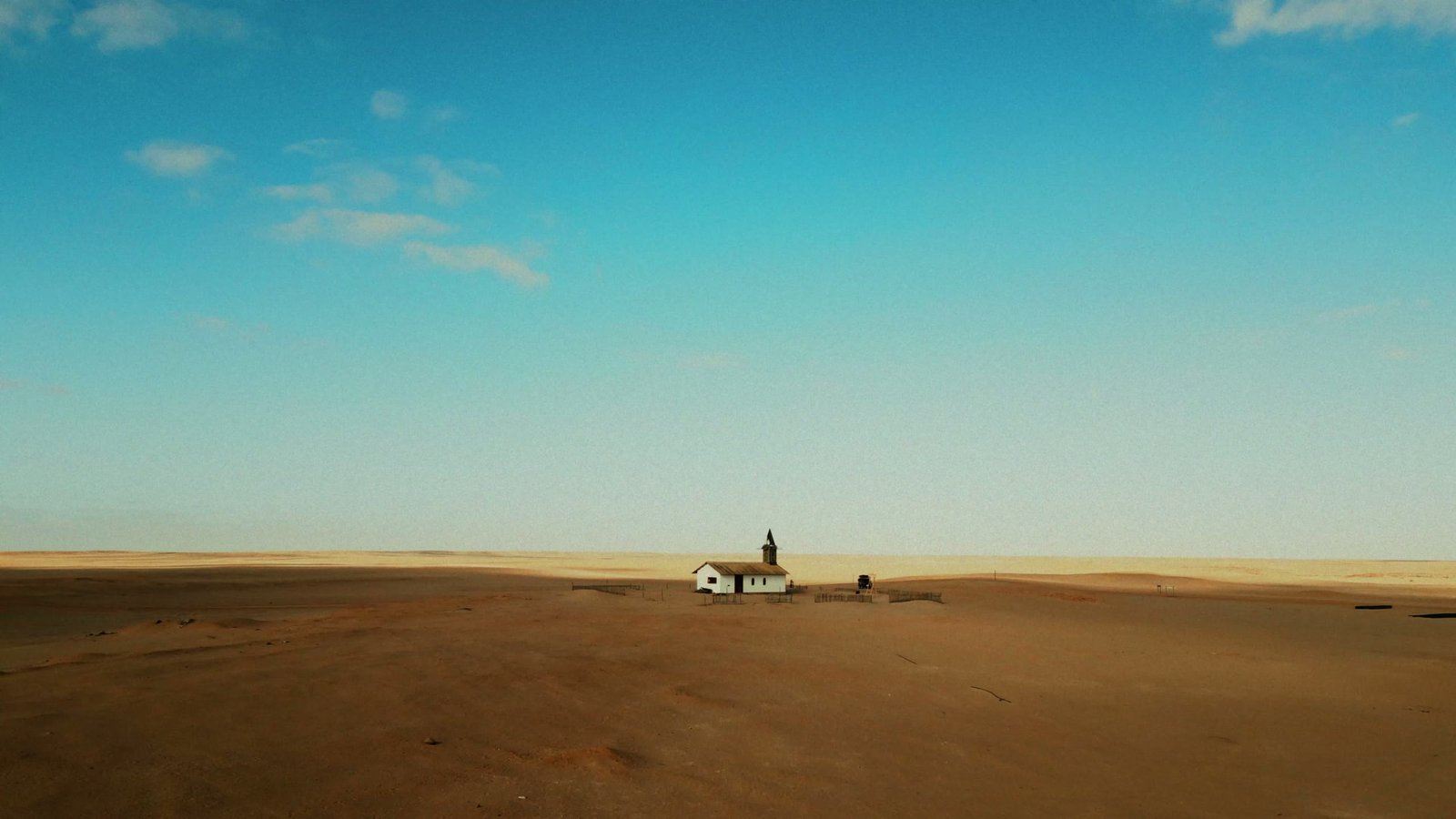
Most foreign productions travel light and hire locally: a producer or fixer, a local camera and drone team, assistants, drivers, translators and catering. A local partner books the locations, handles the permits, finds the talent and makes sure the day runs on Moroccan time without losing a minute.
At Essprod we can be the whole crew or the local half of yours: filming, drone, photography on the same day, and editing.
Photo tipShoot stills alongside the film. One extra photographer on set gives you a full campaign for very little extra time.
A typical timeline
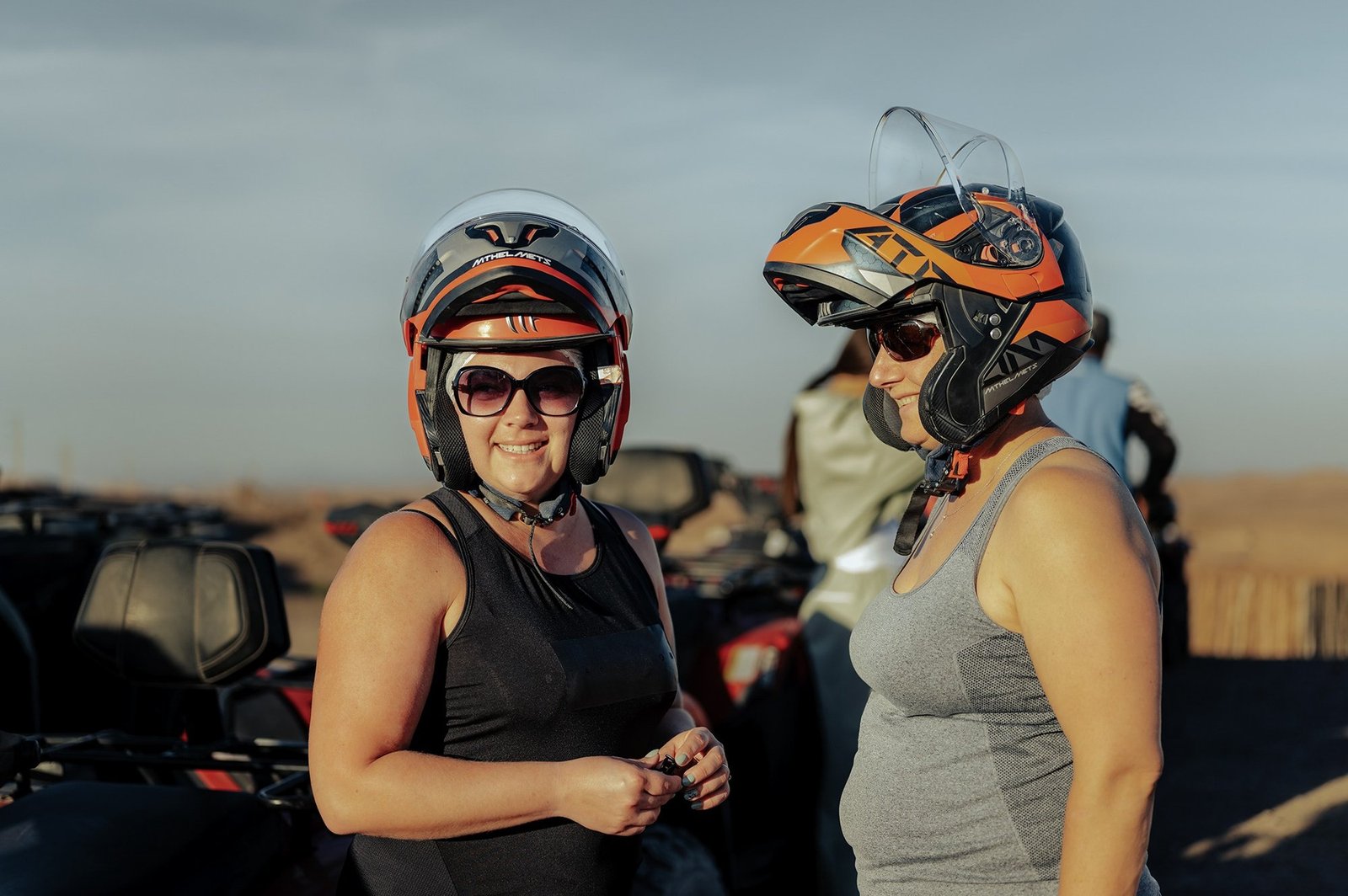
Four to eight weeks before: brief, treatment, budget and location ideas. Three to four weeks: scouting, permits, casting and schedule. Shoot week: crew arrives, tech scout, two to five shooting days. After the shoot: first cut, revisions, colour grade, sound and final delivery.
Smaller productions, such as a hotel film or a set of social reels, can be turned around much faster.
Photo tipAgree on the deliverables list before the shoot. It decides how each scene is framed.
Deliverables
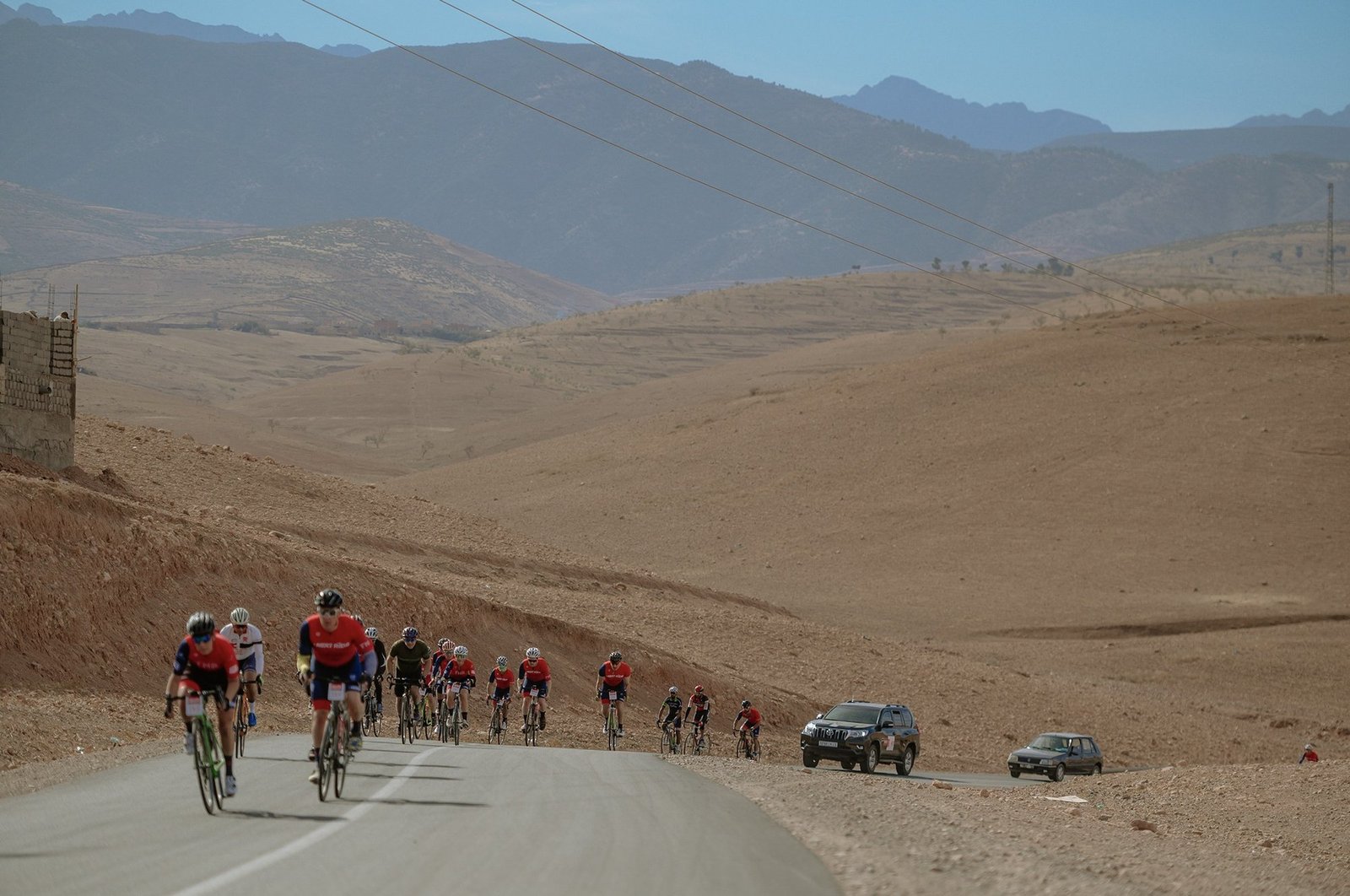
Plan for every screen at once: a hero film in 16:9, shorter cutdowns, vertical 9:16 reels for social media, a few seconds of loops for websites, behind-the-scenes clips and stills. Shooting with all of them in mind from day one saves a second trip.
Photo tipFrame wide scenes with room for a vertical crop, and shoot a few moments natively vertical.
Planning a shoot in Morocco?
Send us your brief, your dates and the locations you have in mind. We will come back with a plan, a schedule and a quote. See our video production in Morocco and photography across Morocco.
Questions about filming in Morocco
Do I need a permit to film in Morocco?
Professional filming in public places generally needs authorisation through the Centre Cinématographique Marocain. Private locations need the owner’s agreement. A local production partner usually handles this.
Can I fly a drone in Morocco?
Only with prior authorisation. Drones are tightly controlled and can be held at customs without the right paperwork, so most productions use a local drone team.
What is the best time of year to film in Morocco?
Spring and autumn are the easiest. Summer works with early and late call times; winter gives snow on the Atlas and sunny days in the city.
Do you work as a local production partner for foreign agencies?
Yes. We handle scouting, permits, crew, drone, filming, photography and editing, or support your own team on the ground. See our video production page.
How far is the desert from Marrakech?
The Agafay stone desert is about forty minutes away. The Sahara dunes are much further, in the south-east of the country, and need a multi-day trip.
Shooting in Marrakech?
Let’s make something