Marrakech is a city that rewards people who look closely. Behind every plain ochre wall there is a courtyard; above every crowded alley there is a rooftop; and a forty-minute drive in almost any direction puts you in a desert, a palm grove or a snow-capped mountain range.
This is not a list of everything. It is the list we give to clients flying in for a shoot, to friends visiting for a long weekend, and to ourselves on the days we need reminding why we live here.
Rise with the balloons at dawn
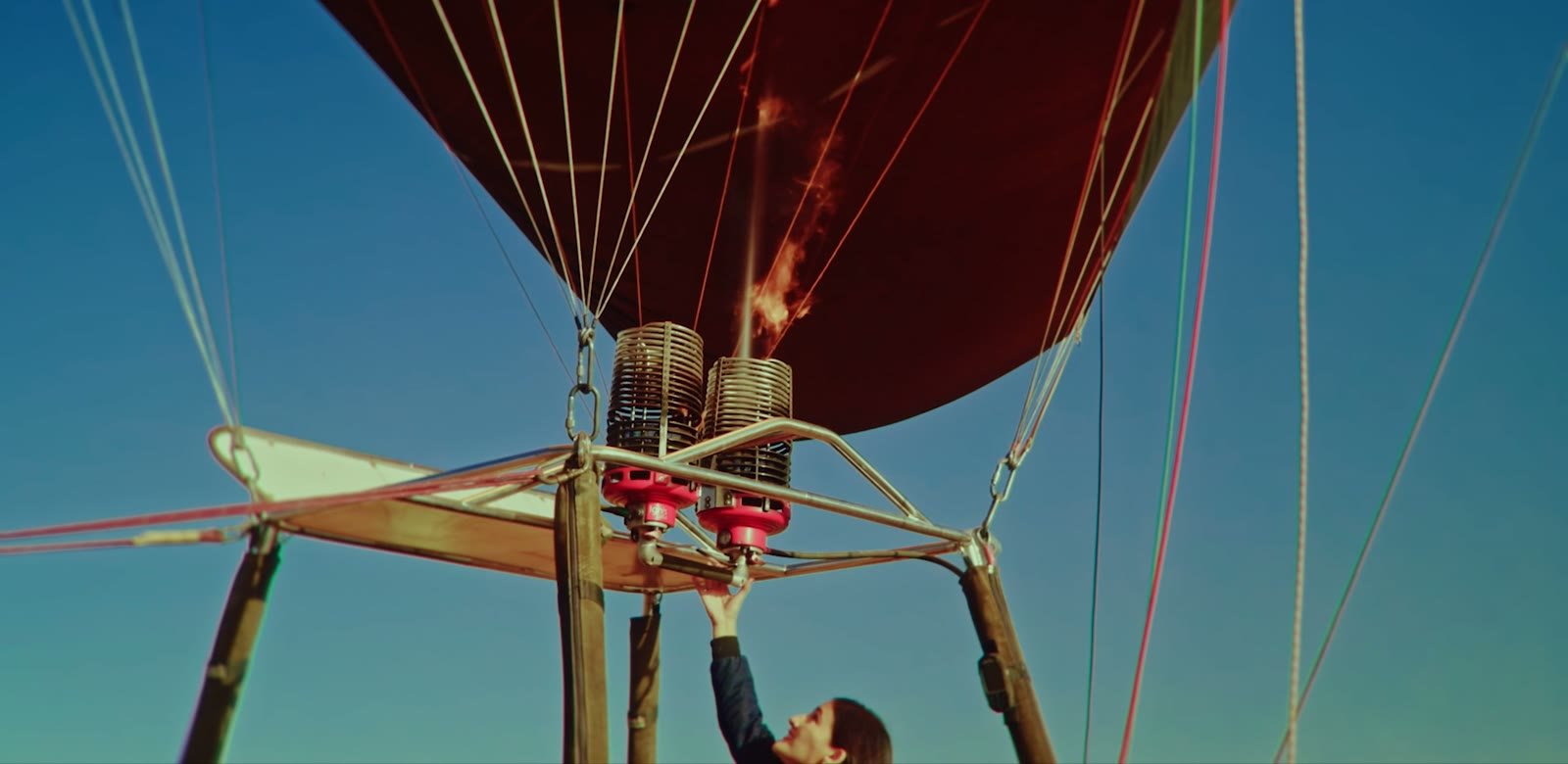
There is no gentler way to meet Marrakech than from a few hundred metres up, in total silence, as the sun clears the Atlas. Hot-air balloon flights lift off at first light from the countryside just outside the city, drift for about an hour over villages, palm groves and the stony plains, and usually end with mint tea and msemen where you land.
Yes, it means a pickup before sunrise. No, you will not regret it.
Photo tipThe burner throws a warm orange glow inside the envelope: shoot straight up into it in the blue minutes before sunrise.
Medersa Ben Youssef
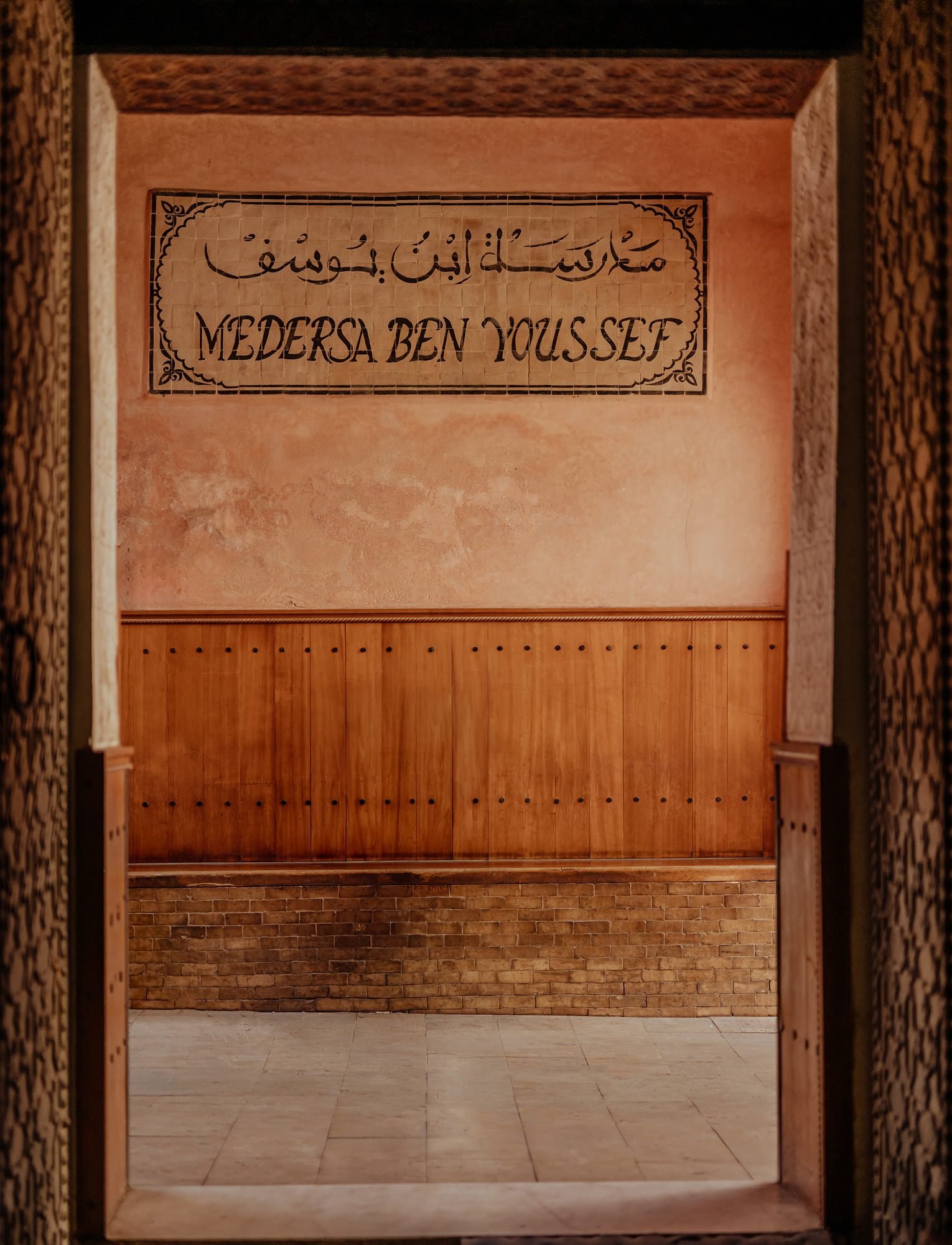
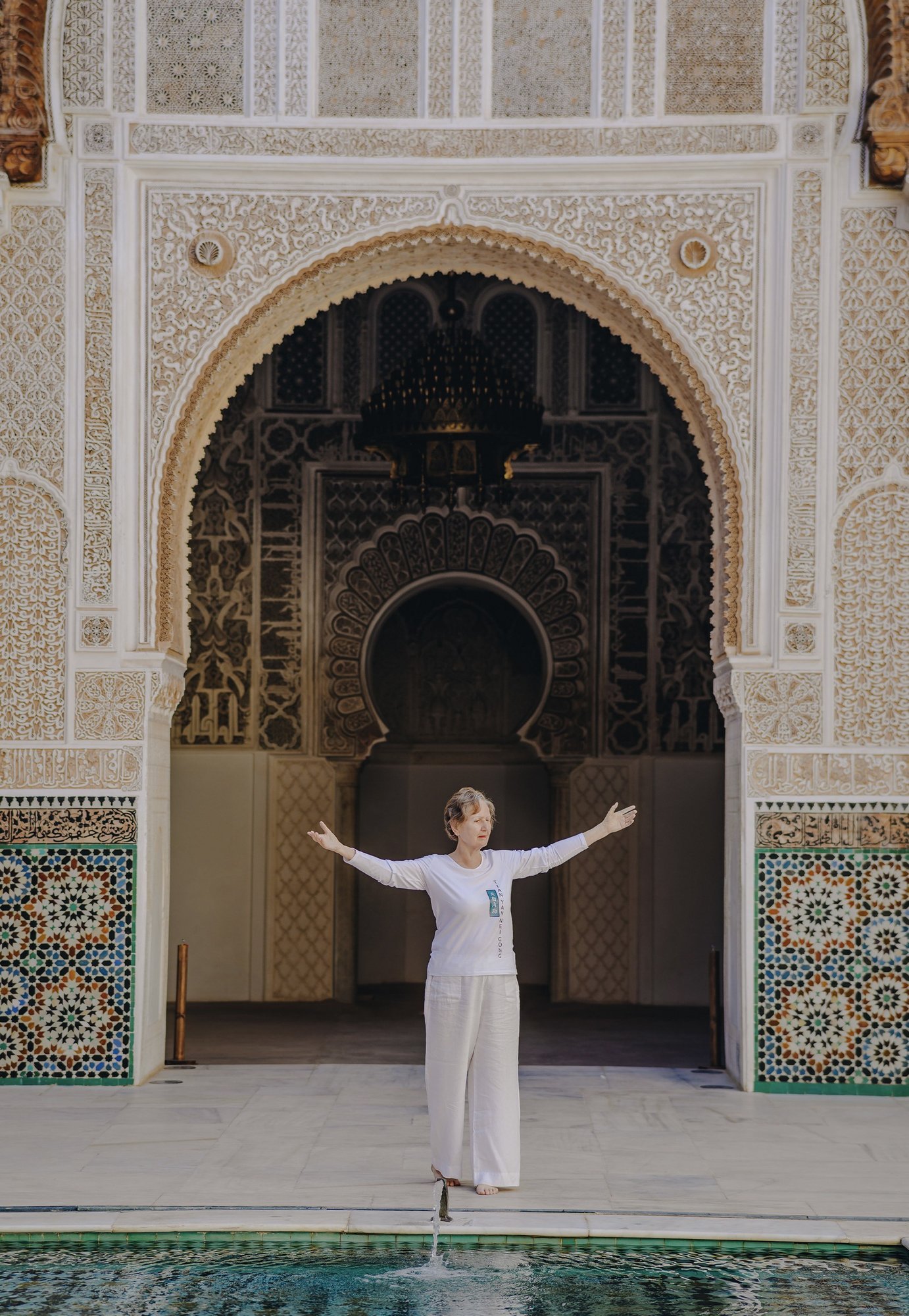
If you only step into one building in the Medina, make it this one. Built in the 16th century, it was once the largest Koranic school in North Africa, and it is still the most beautiful lesson in Moroccan craftsmanship you will find anywhere: carved cedar, lace-like stucco and zellige tile, all wrapped around a courtyard with a long, still pool of water.
Climb upstairs to the tiny student rooms that look down onto the courtyard. Hundreds of students once lived here; today it is all light and echoes.
Photo tipCome at opening time, stand at the end of the pool and let the reflection do half the work.
The Koutoubia at golden hour
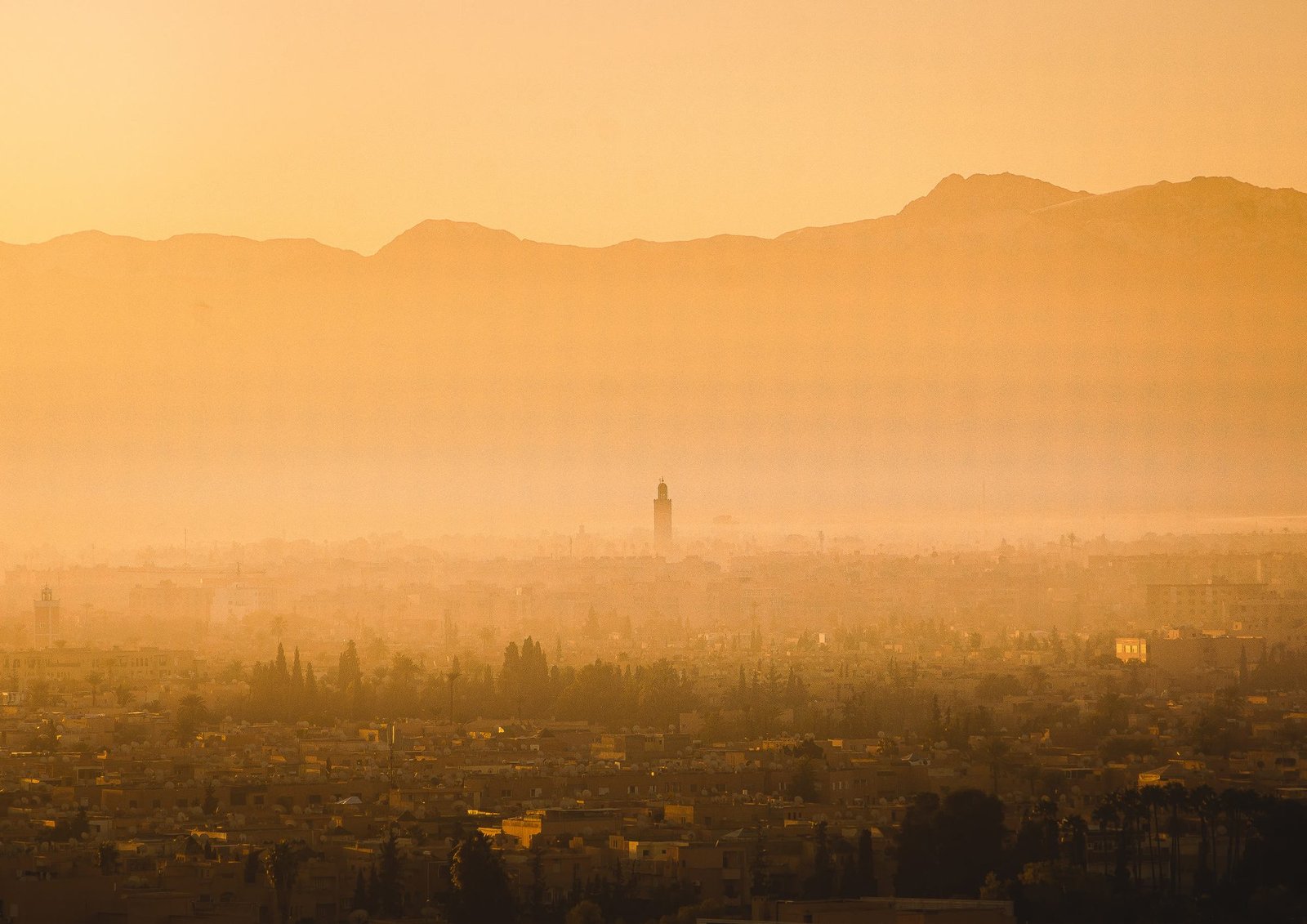
The Koutoubia minaret has been the city’s compass since the 12th century. At around 77 metres, it is visible from almost everywhere, and the Almohad tower became the model for the Giralda in Seville and the Hassan Tower in Rabat.
The mosque itself is open only to Muslims, but the rose gardens around it are open to everyone and are at their best just before sunset, when the stone turns from sand to copper and the call to prayer rolls across the rooftops.
Photo tipEarly mornings in winter often bring a soft haze: climb any rooftop terrace and shoot the minaret as a silhouette over the city.
Jemaa el-Fna as night falls
By day it is a big, sunbaked square with orange-juice stands and snake charmers. Then, around sunset, the food stalls roll in, the smoke rises, and the square turns into the greatest open-air show in Africa: storytellers, healers, acrobats and Gnawa musicians whose iron castanets you will hear long before you see them. UNESCO calls it a masterpiece of oral heritage; you will just call it unforgettable.
Grab a table on one of the terraces around the square for the view from above, then go down and get lost in it.
Photo tipShoot from a terrace at blue hour, when the stall lights glow and the sky still holds a little colour. In the square itself, ask before you photograph performers, and expect to leave a coin.
Get lost in the souks
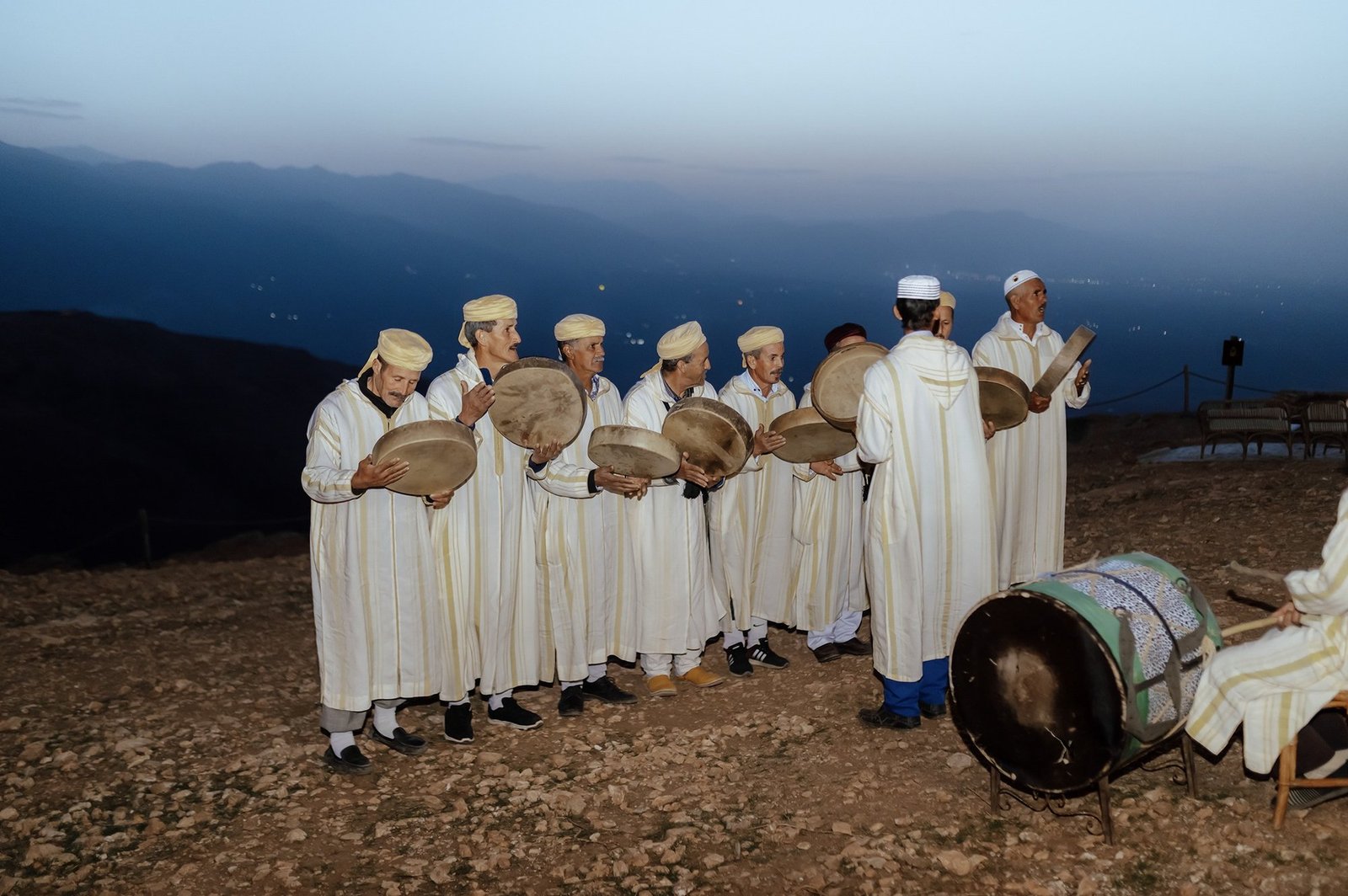
North of Jemaa el-Fna the Medina folds into a maze of covered markets, each with its own trade: leather in one lane, lanterns in the next, then spices, slippers, carpets, copper. Wander through the dyers’ souk where skeins of wool hang drying overhead, and listen for the metalworkers’ hammers before you find them.
Getting lost is not a risk here, it is the point. When you want out, ask a shopkeeper for Jemaa el-Fna and follow the flow of people.
Photo tipLight falls in shafts through the reed and slatted roofs at midday. Find a craftsman in his doorway, ask, and wait for someone to walk through the beam.
A riad, and its rooftop
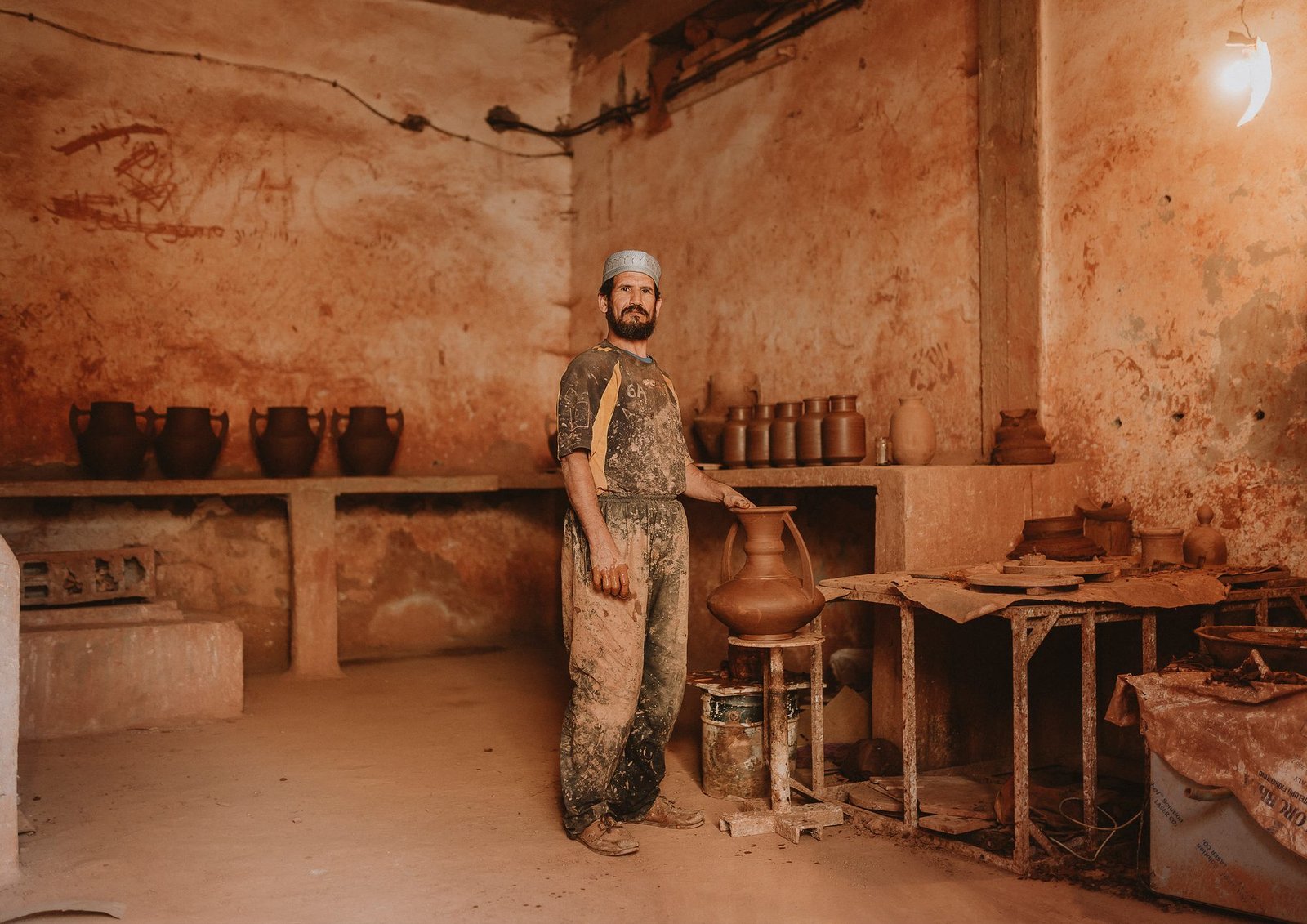
The Medina keeps its best secret indoors. From the street a riad is just a door in a wall; step through it and you are in a quiet courtyard of orange trees, fountains and tiled galleries, with the noise of the city suddenly gone.
Stay in one if you can. If not, book lunch or a hammam in one. And whatever you do, go up to the roof at sunset, when every terrace in the city fills with people and the Atlas turns pink on the horizon.
Photo tipArches make natural frames. Step back into the room and shoot through them towards the light.
Eat your way through the city
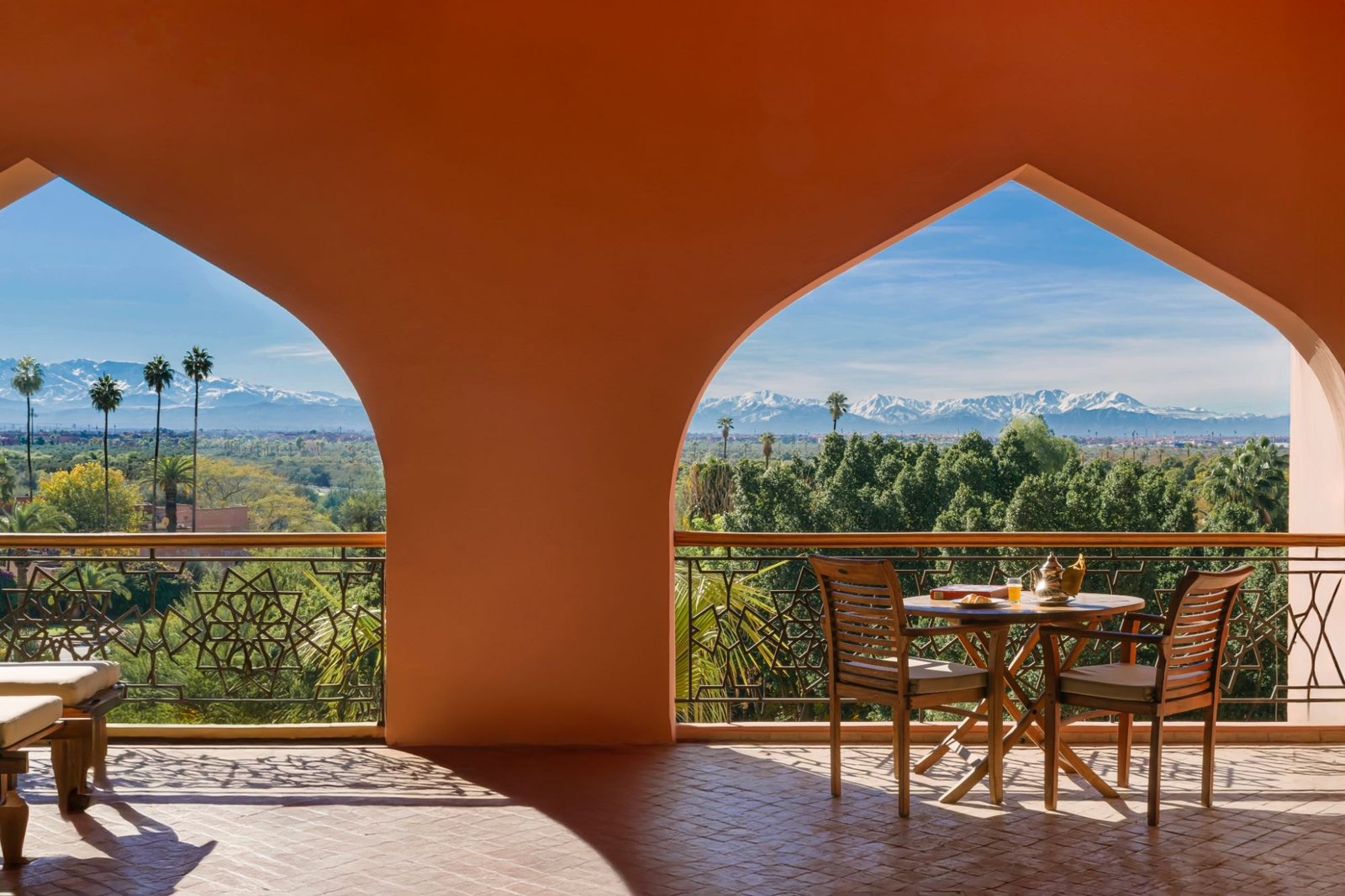
Moroccan food is a reason to travel on its own. Start with a spread of cooked salads, move on to a tagine of lamb with prunes or chicken with preserved lemon, and finish with mint tea poured from a great height. Then look for tanjia, Marrakech’s own dish: beef slow-cooked for hours in a clay jar buried in the ashes of a hammam’s fire.
The city’s new restaurants and rooftop bars are just as worth your evening, many of them in restored riads and palaces.
Photo tipMoroccan tables are made for overhead shots: all those small dishes, the colours, the brass. Shoot fast, the tea goes cold.
The Palmeraie on horseback
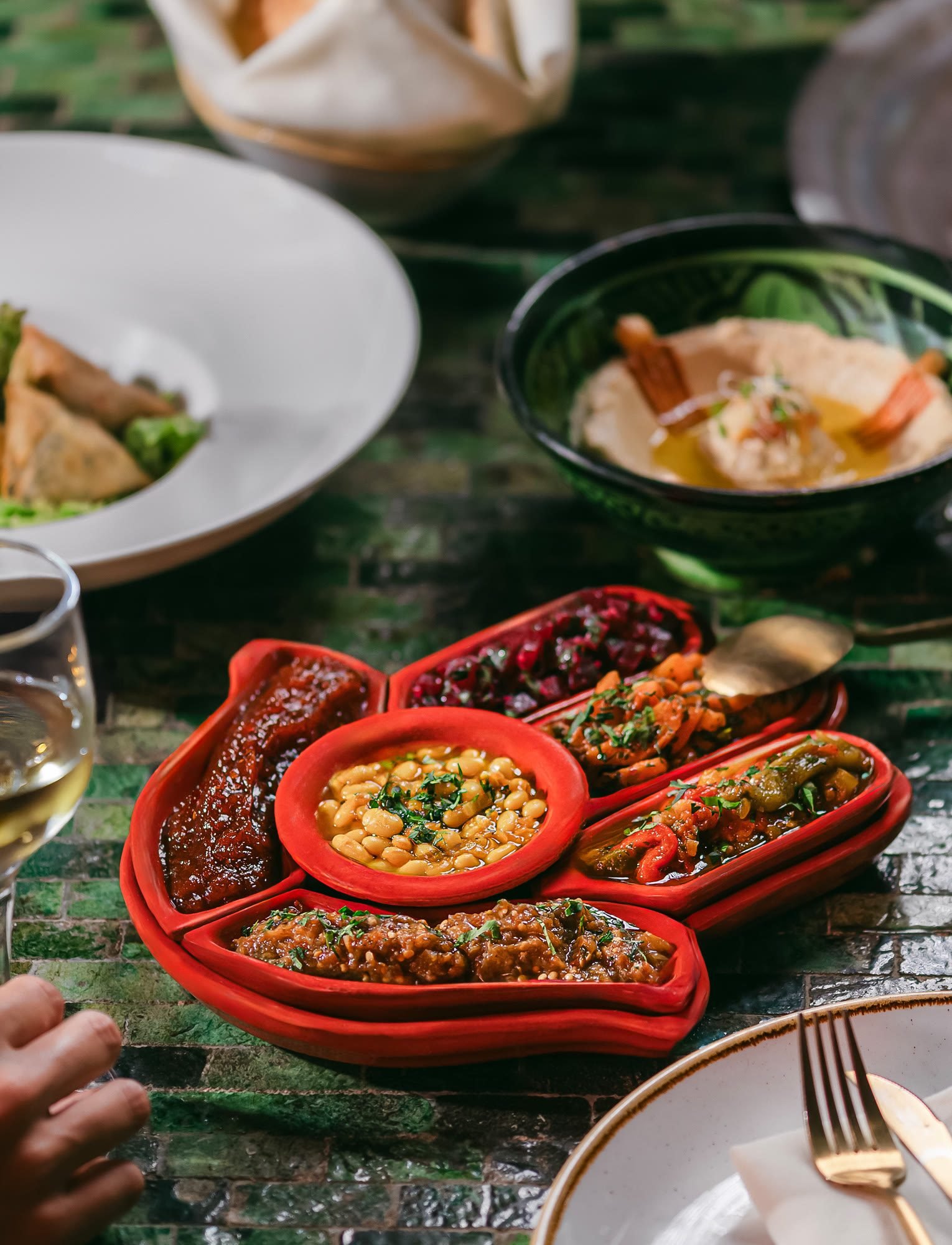
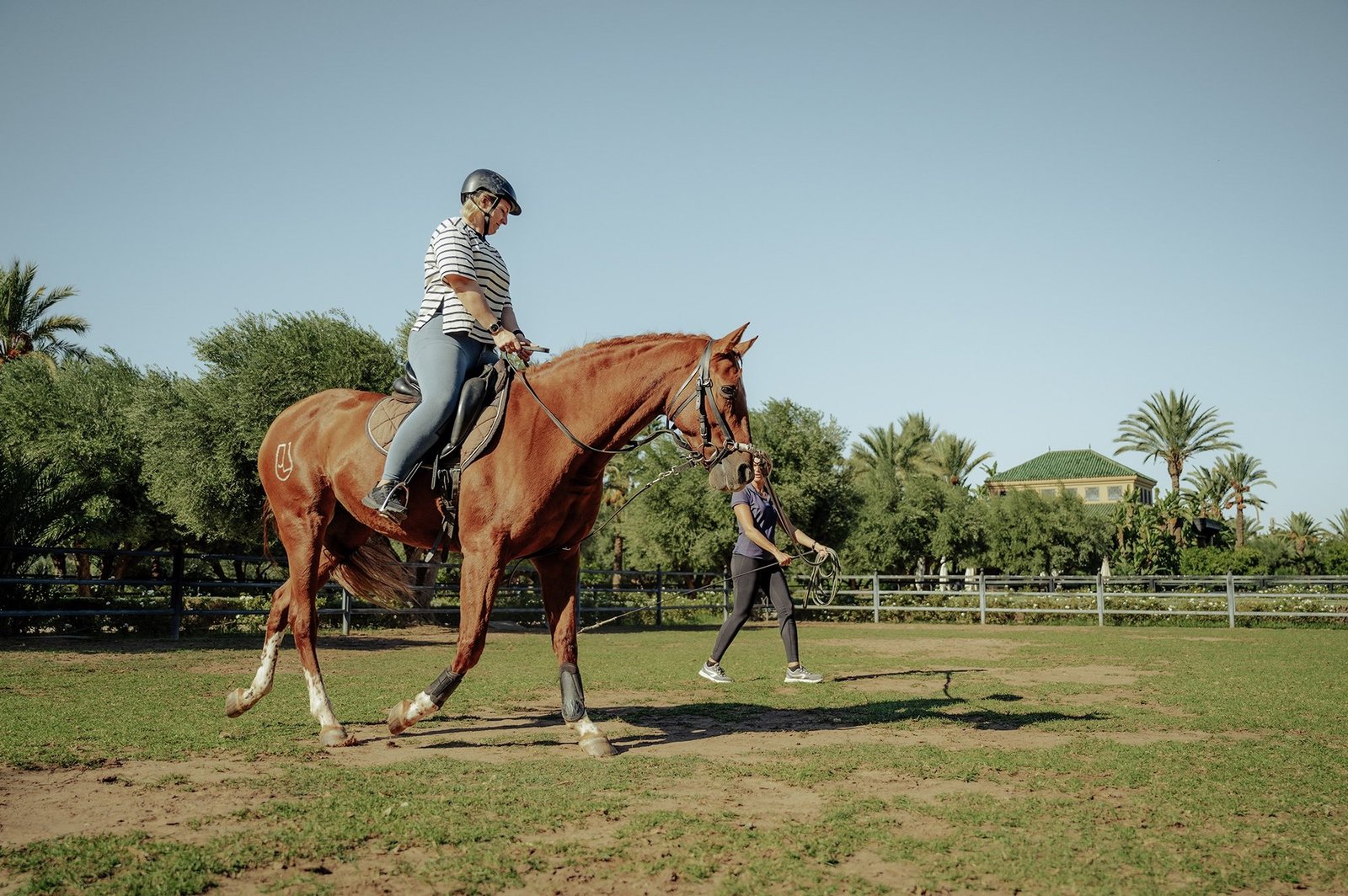
On the north edge of the city lies the Palmeraie: thousands of date palms, irrigated for centuries by underground channels, now home to villas, gardens and riding stables. Half a day here, on a horse or a camel, slows the whole trip down in the best possible way.
Photo tipLate afternoon light slides low between the trunks and lights up the dust from the hooves.
Sunset in the Agafay desert
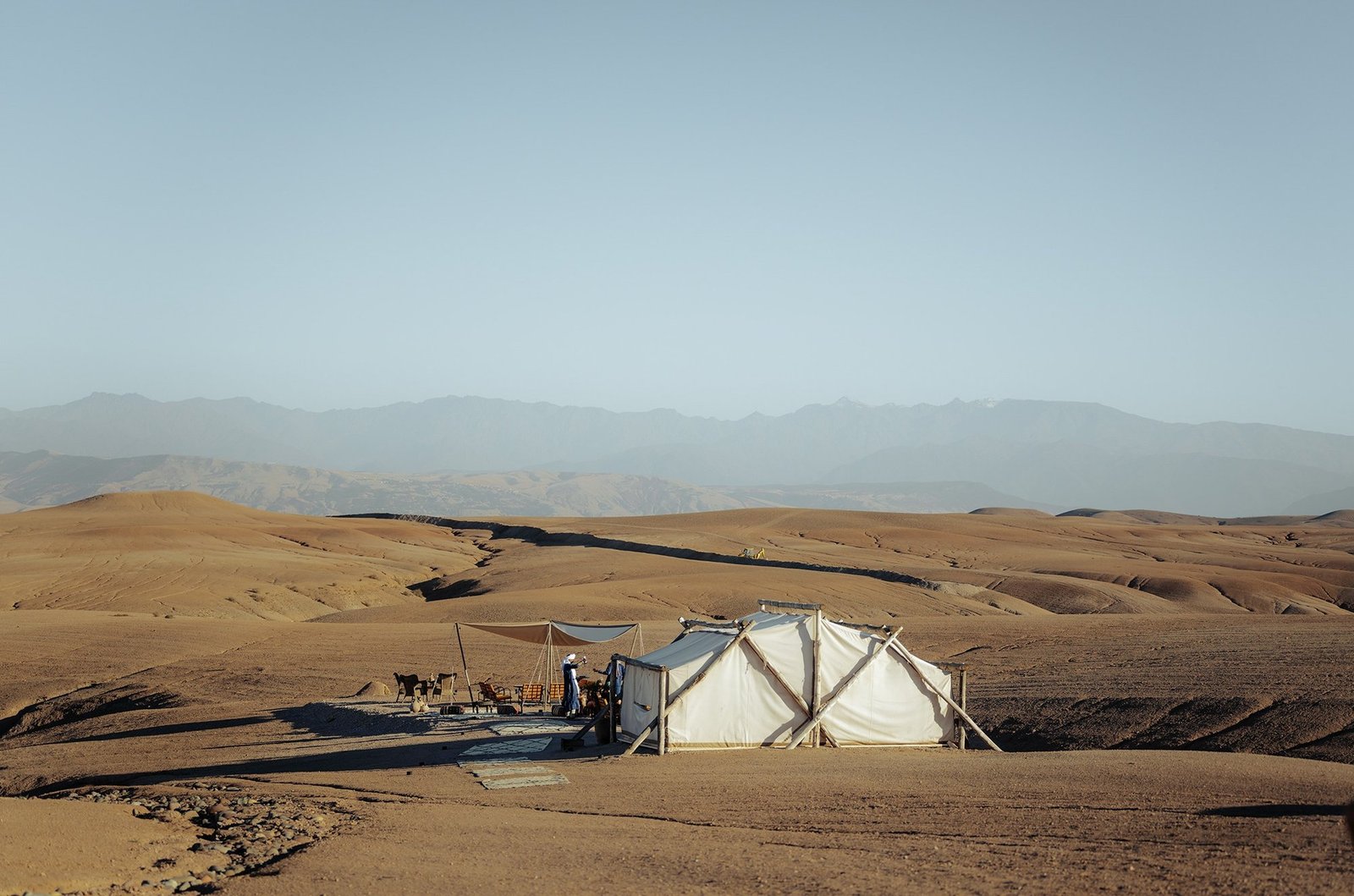
You do not need to cross the Atlas to find a desert. Agafay is about forty minutes south-west of the city: a rocky, lunar landscape of rolling hills, with the High Atlas lined up along the horizon. Come for a quad or camel ride in the afternoon, stay for the sunset, then dinner by the fire under more stars than you have seen in years.
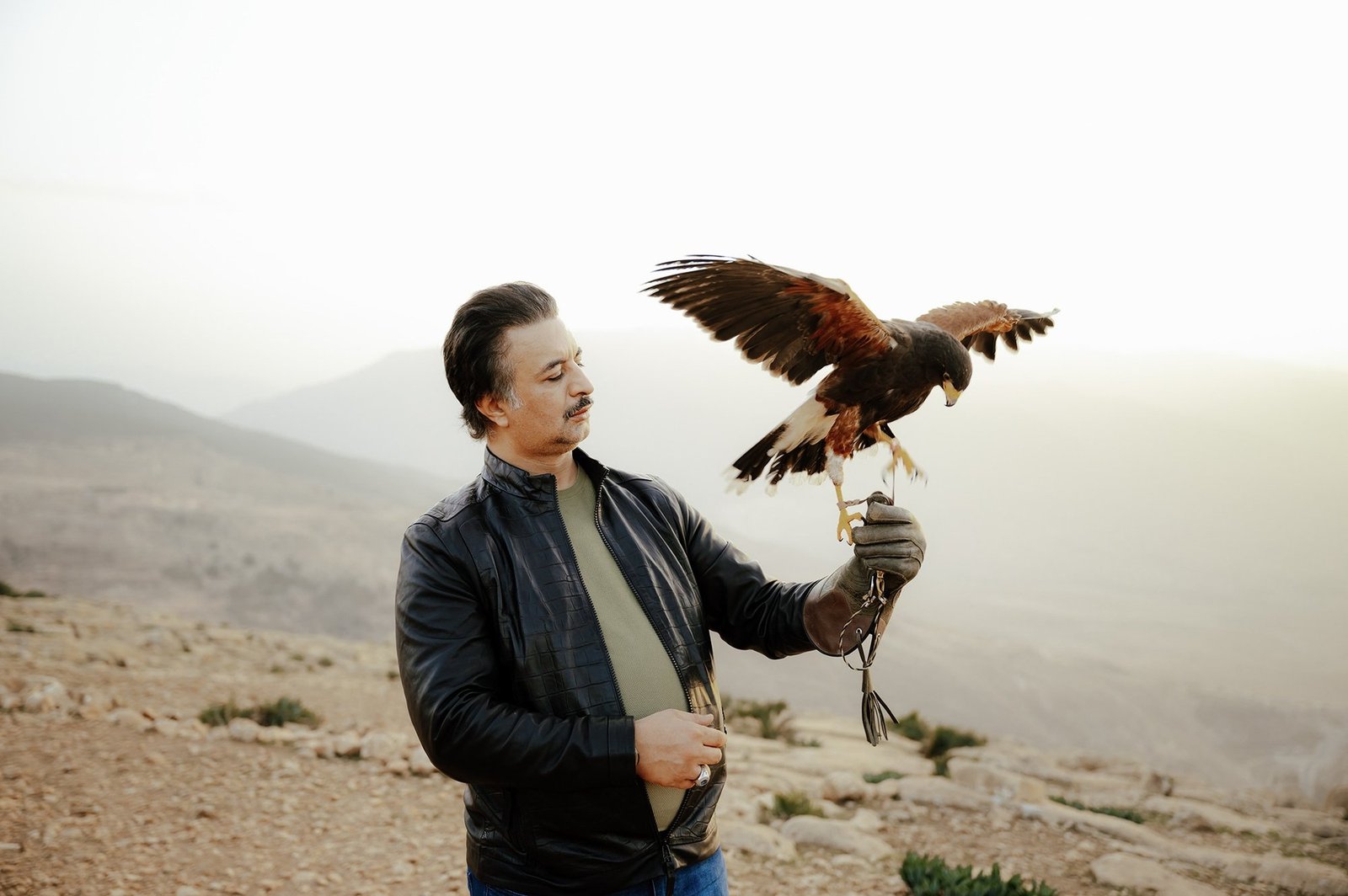
For something unforgettable, many camps offer falconry: a hawk on your glove as the light fades is a portrait you will keep forever.
Photo tipThe hour after sunset is the magic one: the hills go violet, the camp lights come on, and a long exposure picks up the first stars.
A day in the High Atlas
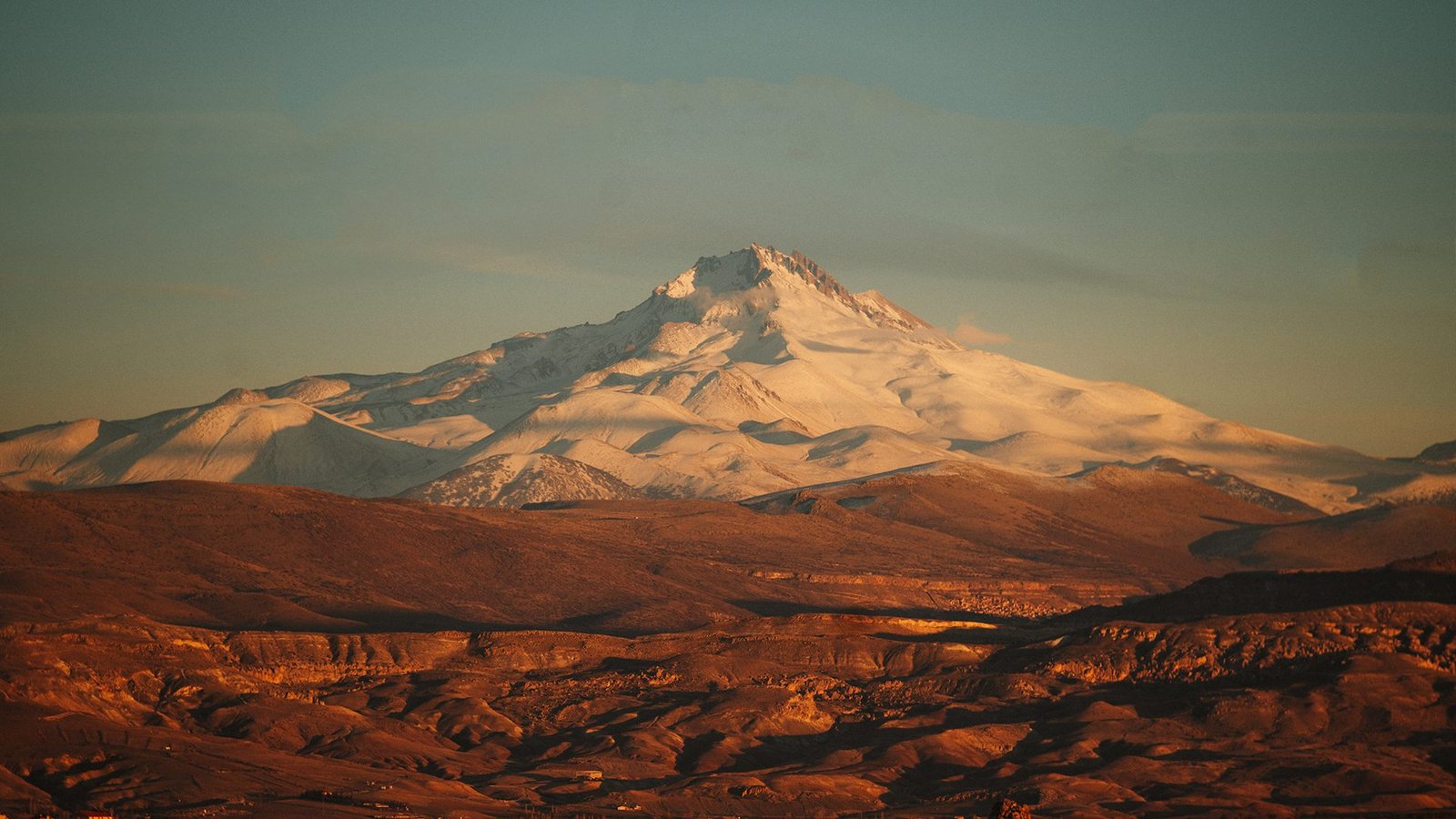
On a clear winter morning you can see the snow from the city, and by lunchtime you can be standing in it. The High Atlas starts barely an hour away: the Ourika Valley with its waterfalls and riverside cafés, or the road to Imlil, at the foot of Jbel Toubkal, at 4,167 metres the highest peak in North Africa.
Hike to a Berber village, eat a tagine with a view, and be back in Marrakech in time for dinner.
Photo tipMountains look flat at noon. Go early or late, when the side light carves every ridge.
If you have one more day
Walk through the blue and yellow of the Jardin Majorelle and the Yves Saint Laurent Museum next door, the painted ceilings of the Bahia Palace, the Saadian Tombs, and the calm geometry of Le Jardin Secret. Go early: these are the city’s most loved places, and the light and the quiet are best before ten.
Notes from behind the lens
The best light in Marrakech is in the first hour after sunrise and the last hour before sunset; in between, shoot indoors, in courtyards and shade. Always ask before you photograph people. And if you are thinking of bringing a drone, check Morocco’s rules before you pack it: drones are tightly controlled here.
If you would rather be in the pictures than behind the camera, that is what we do. Essprod is a photography and video studio based in the city, filming weddings, hotels, brands and drone views all over Morocco.
Shooting in Marrakech?
Let’s make something